


England’s potential path to glory proves Nations League is more difficult to win than the World Cup
Nov 18 2026 16:49 · بواسطة onefootball.com · 156 عدد المشاهدات


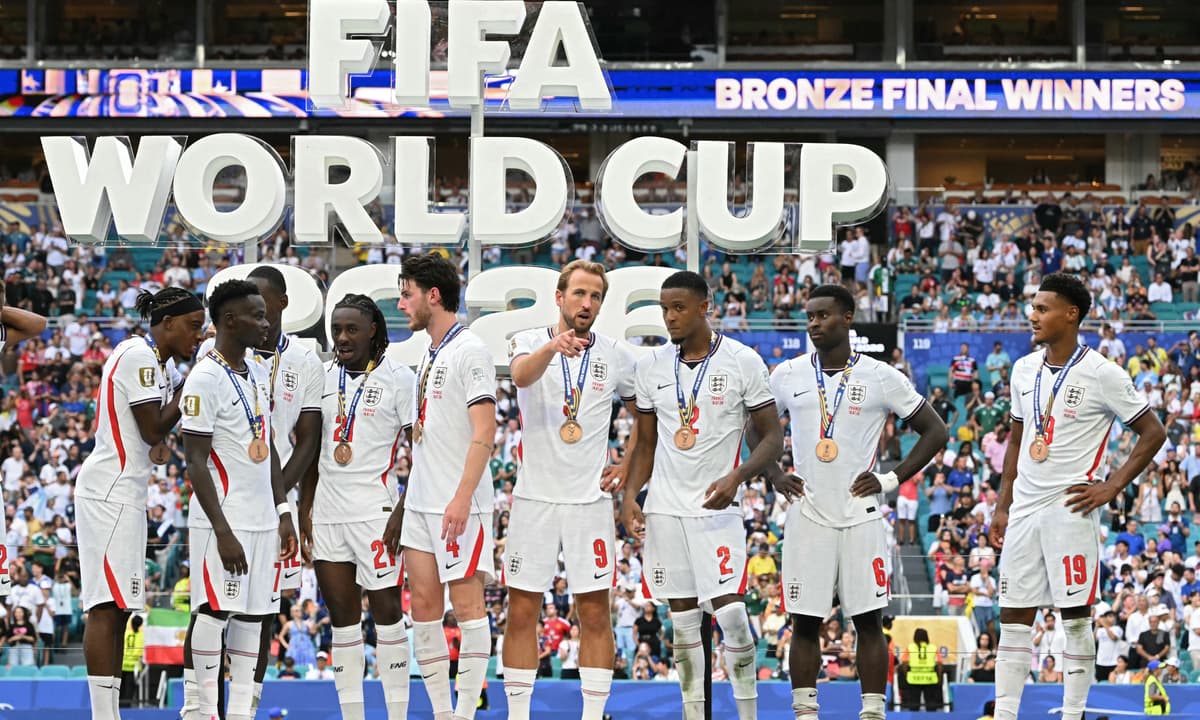
Comment: Nations League has become international football’s most difficult competition to win
Sometimes you have to say the unsayable because no one else will.
The Nations League is a more difficult competition to win than the World Cup or the European Championships. Stay with me.
Though there remain plenty of club football fans who take no interest in international football outside of major tournaments and are sceptical about the Nations League, there has been a noticeable drop in the number of club fans repeating the trite notion it is a pointless competition made up of glorified friendlies no one cares about.
My hunch as to why: people are beginning to realise how much of a refreshing addition to the football it really is, plus how many tasty fixtures it produces. And it is that final point — the competition regularly throwing up blockbuster clashes between European heavyweights — that explains why the Nations League might just be the hardest competition to win in international football.
A disclaimer is needed at this point. The Nations League is not a major tournament like the World Cup or European Championships are. Those competitions take place in single block international breaks during the summer (except when hosted in the Middle East) and the stakes at play mean immeasurably more pressure and psychological challenges as players and teams seek to win the trophies that matter most.
The World Cup and Euros remain more psychologically draining and patently more important. But more difficult to win than the Nations League in a footballing sense? Honestly, no.
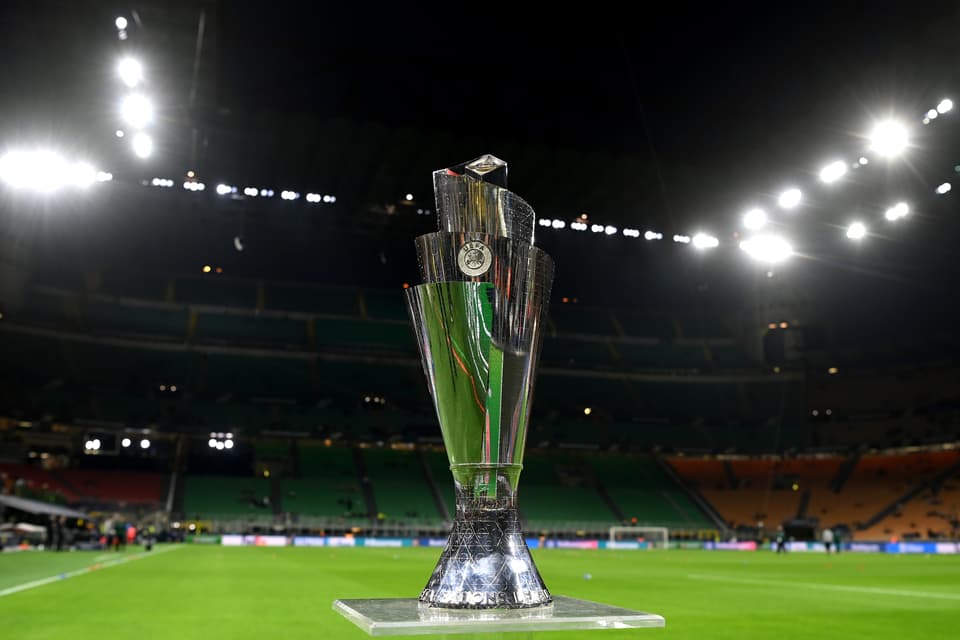
The Nations League trophy
Getty Images
The calibre of opposition is far higher in Europe’s newest event compared with the World Cup or Euros. Just look at Argentina’s route to the World Cup final where they were defeated by Spain.
They faced Algeria, Austria, debutants Jordan, fellow debutants Cape Verde, Egypt, Switzerland and then finally one world-football powerhouse, England, and were suddenly into a World Cup final.
For all their memories of their best World Cup finish since 1966, England’s route to their semi-final defeat to Argentina was not much more difficult. Croatia, Ghana, Panama, DR Congo, Mexico, and finally Norway.
And in their previous tournament, when England limped to the Euro 2024 final under Gareth Southgate with a string of uninspiring performances, they faced Serbia, Denmark, Slovenia, Slovakia, Switzerland and the Netherlands — and navigating that pretty presentable route meant they had qualified for the final and a shot at becoming European champions.
And what made this summer’s expanded World Cup even less likely to produce those big fixtures was FIFA’s brazenly cynical introduction of Wimbledon-styled protected ranking at its seeding stage.
The world’s four top-ranked nations would be kept apart in different quarters of the draw until the semi-finals providing they each won their groups. Shock: they all did.
Sure enough, for the first time in history the four top ranks made up the men’s World Cup semi-finalists: Argentina, England, France and Spain. A great product, just as FIFA wanted, but it had taken 100 matches to get there, the only blockbuster fixture among 72 group matches having been Spain and Uruguay, two former winners.
The World Cup was great, but plenty of its matches had been rather too easy to call beforehand.
The calibre of opposition is far higher in Europe’s newest event compared with the World Cup or Euros
Now consider England’s potential path to Nations League glory next summer. A group stage first of all where England faced Czechia, Croatia and world champions Spain home and away.
Croatia are a good footballing nation but by finishing third of the group are now out, with next March to bring together only the winners and runners up from the four groups for the quarter-finals.
Group A3 winners England will face either Belgium, the Netherlands or Erling Haaland’s Norway — the teams ranked eighth, ninth and 19th in the world rankings.
After a two-legged tie against one of those opponents, England would gear up for next summer’s Nations League Finals, a one-off semi-final and then potentially a final, with France, Germany or Portugal as their likeliest opponents in those two games.
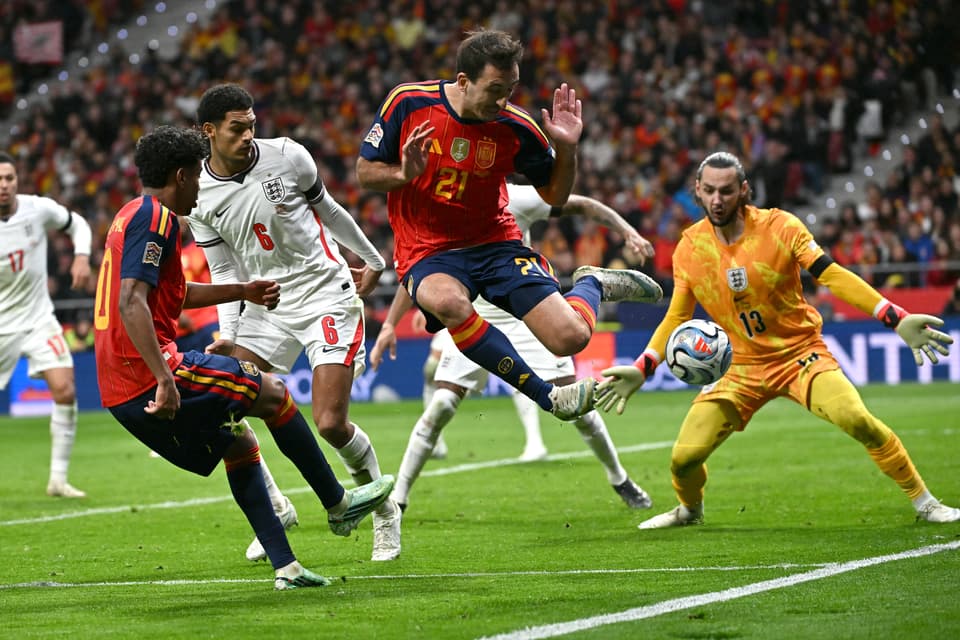
England may have to face Spain again in the Nations League finals
AFP/Getty
Here is a string of prestige fixtures far more testing for Thomas Tuchel’s side than the World Cup produced. No comparison in pressure and scrutiny, granted, but tougher in purely footballing terms, undoubtedly — and coaches are not rotating their teams or resting players as much as one might imagine. It is taken seriously.
For its sheer hit rate of big games out of the total set of fixtures and for how consistently well a top team would have to perform to navigate them all, the UEFA Nations League has become international football’s most difficult competition to win. There. Sometimes you have to say the unsayable because no one else will.