


Alexia Putellas a worthy Ballon d’Or winner but the limited shortlist illustrates flaws
Oct 27 2026 15:17 · Por onefootball.com · 23 Leituras


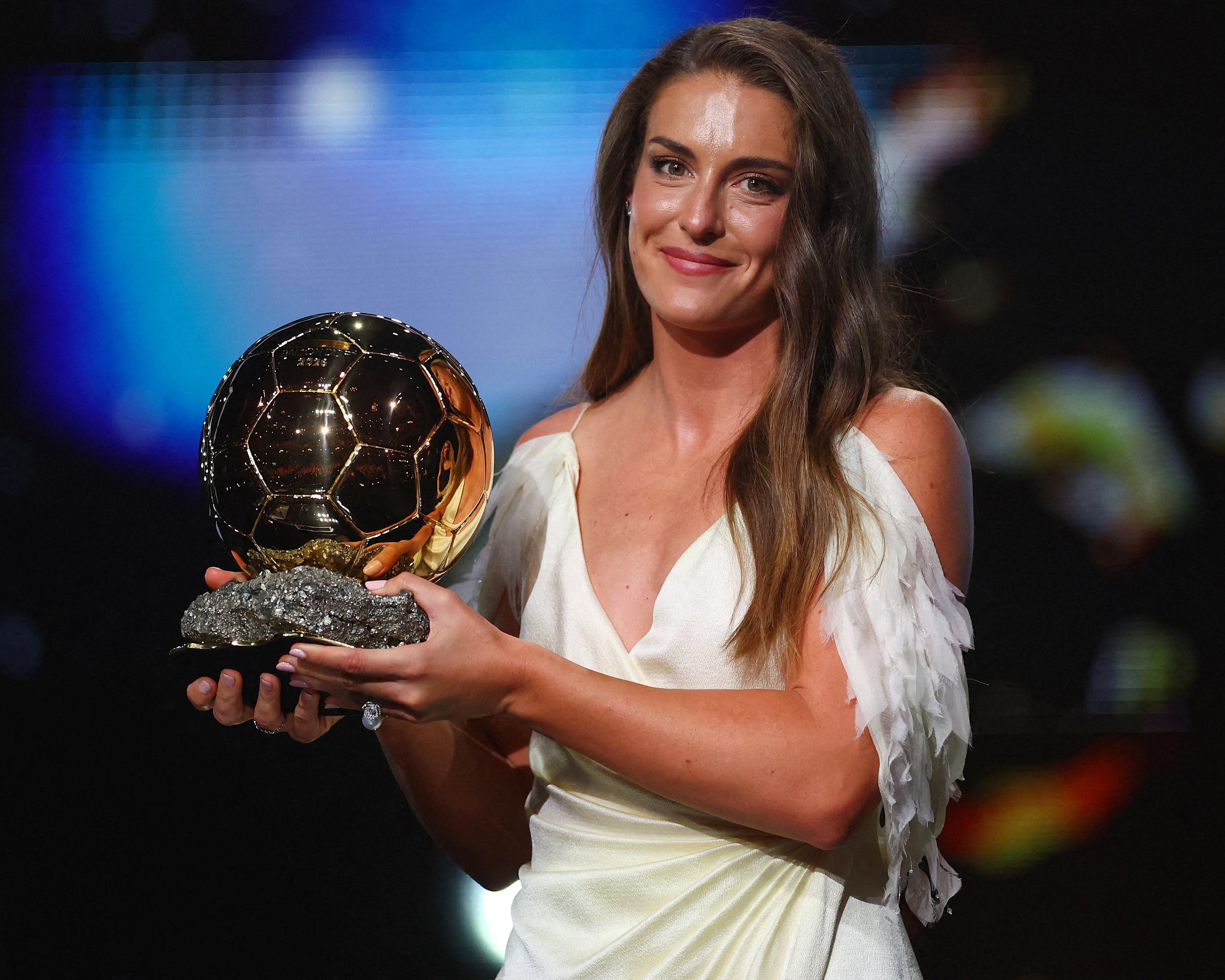
After a four-year wait, Alexia Putellas is the queen of women’s football once again. Receiving the Ballon d’Or for a record-equalling third time to continue Spain’s domination of this award, the 32-year-old reinforces her status as one of the greatest players of all time.
It was the sixth consecutive year in which the honour went to either Putellas or her international teammate, Aitana Bonmatí, and it was symbolic of Putellas’ resurgence after her comeback from the anterior cruciate ligament injury she suffered in her left knee in 2022, her refusal to surrender her career to that setback, and her majestic rise back to the top.
The midfielder’s competition-leading 14 goal contributions – eight goals and six assists – in 11 Women’s Champions League appearances last season, helping Barcelona lift the European title, went a long way to her securing the most votes, as well as her starring role in Spain’s victory in the Women’s Nations League finals last December. Her new club, London City Lionesses, will rejoice in the prestige of having the Ballon d’Or winner in their squad but Putellas, who spent 14 yeas at Barcelona, made it clear whom she wanted to thank as she said in her acceptance speech “This prize is for Barcelona.”
Barcelona collected a clean sweep of the night’s bigger awards, with Cata Coll taking the goalkeeper prize, Pere Romeu the coach award and Vicky López the young player award, as well as Ewa Pajor finishing second behind Putellas for the main honour and Clara Serrajordi finishing second in the young player vote. It was almost a perfect night for the European champions, until their president, Joan Laporta, bizarrely spoke about his belief that their men’s team could win this season’s Champions League, appearing to only have eyes for the men’s game despite specifically accepting the award for the women’s club of the year.
That Freudian slip aside, Monday night’s glamorous ceremony at the The London Palladium passed off without the sexist controversy that tarnished the early years after France Football belatedly added the women’s award for the first time in 2018. Progress has been made – the women’s game does now at least receive a prize for the same categories as the men, but the event still does not quite offer full equality. Specifically, there is still not quite parity in the lengths of shortlists. Why, for example, were 10 players nominated for the men’s young talent award, but only five for the women’s? It was the same for the goalkeeper awards.
The live show also demonstrated a disappointing lack of women’s players or former women’s players presenting prizes, aside from Lucy Bronze, who was on stage to hand López her prize. Putellas receiving the Ballon d’Or Féminin from Michael Owen, rather than, perhaps Mia Hamm, Birgit Prinz or Sun Wen, perhaps served as a reminder that there are very few formers winners of the women’s prize for the organisers to choose from – only Ada Hegerberg, Megan Rapinoe, Putellas and Bonmatí have won this trophy – because it was introduced so late, in 2018.
Many fans will also have felt it was a shame that the dates covered by the relevant voting period – 3 August 2025 to 19 July 2026, effectively for last season – were clearly based on the conclusion of this summer’s men’s World Cup, and therefore did not include this year’s rearranged Wafcon, which was held from 26 July to 16 August. Performances at that tournament will instead be taken into account for next year’s prizes. It meant, for example, that Cameroon’s Wafcon-winning head coach Valentine Nguele, as not nominated for the coach of the year award, and there was a general dearth of African players recognised overall, aside from Temwa Chawinga becoming the first African player to finish in the women’s top 10. Arguably, she deserved to be even higher.
Putellas was a very worthy winner of the main prize, although some will feel it is a missed opportunity for a player from one of the countries less likely to succeed in major international competitions to be recognised, given that next year’s Women’s World Cup will inevitably ensure that the annual awards nights focus on whatever happens in Brazil. Poland’s Pajor, for example, finished second after a tremendous campaign with Barcelona but she feels unlikely to go one better next year, simply because of her nationality.
The same feels true for Jamaica’s Khadija Shaw, who came third after firing Manchester City to their first domestic title in a decade – although the fact that she made the top three in spite of not playing Champions League football said a lot about how revered she is. Haiti’s Melchie Dumornay – the best player Moving the Goalposts had the pleasure of seeing play live in the 2025-26 season – finished fourth. Aged 23, her time may well come in the future, but it is most likely to be in an even-numbered year.
If she continues her current form, it would take a brave person to bet against Putellas retaining her crown next year, as Spain target a successful defence of the world title next summer. A humble role model for the sport, it is a privilege watching her grace the pitch with her deft touches, leadership and creativity and being a three-time Ballon d’Or winner is no less than her storied career deserves.
Get in touch
If you have any questions or comments about any of our newsletters please email moving.goalposts@theguardian.com.
Header image: [Photograph: Matthew Childs/Action Images/Reuters]