


FIFA confirm staggering World Cup revenue after controversial ticket policy
Oct 28 2026 18:48 · Por Samuel Meade,Sports Brand Writer · 21 Leituras


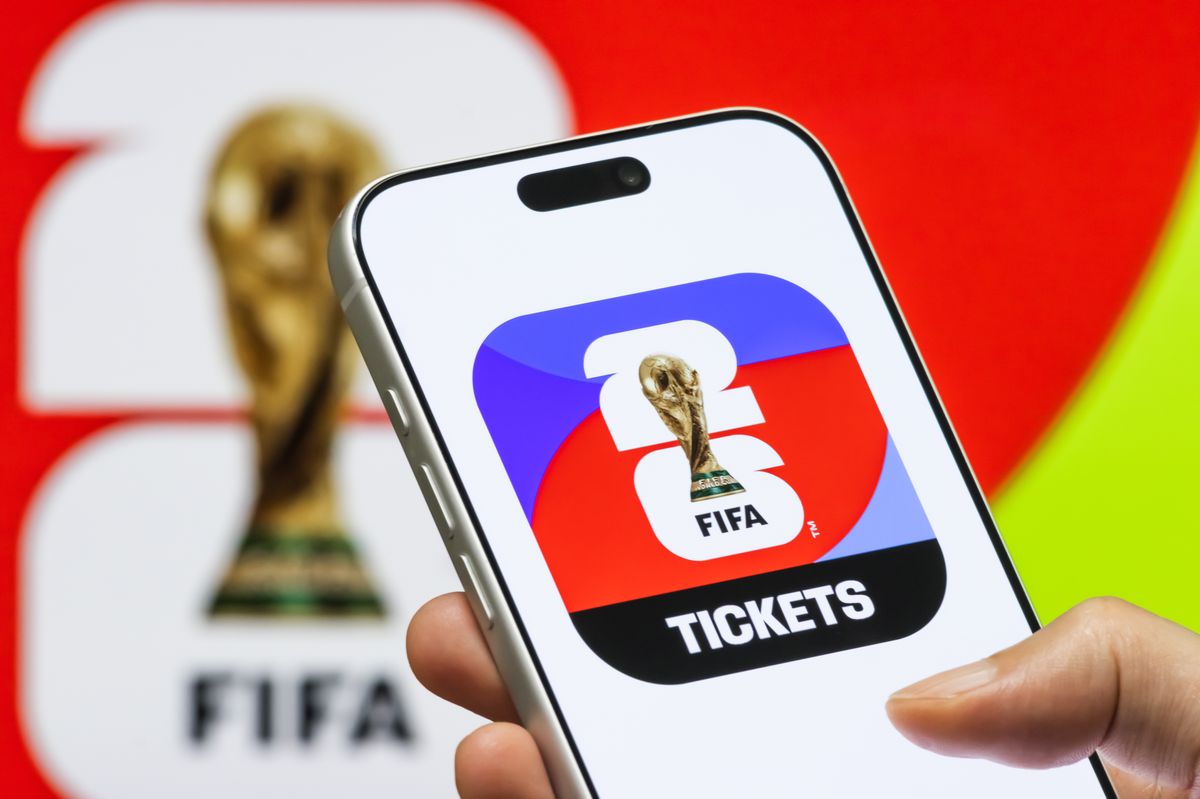
FIFA are thought to have earned a staggering £3.8billion in ticket and hospitality sales from the World Cup this summer - five times more than they did at the tournament in Qatar four years ago.
The World Cup in North America was the first to have 104 matches as FIFA increased the amount of nations who qualified and introduced an extra knockout round.
The increased amount of games, 40 more than there were in 2022, has allowed football's governing body to benefit financially with record fees generated. The Times has reported that the aforementioned figure, which was not confirmed by the organisation, far exceeded what FIFA anticipated to earn and contributed to its overall World Cup revenue of $15bn (£11.27bn).
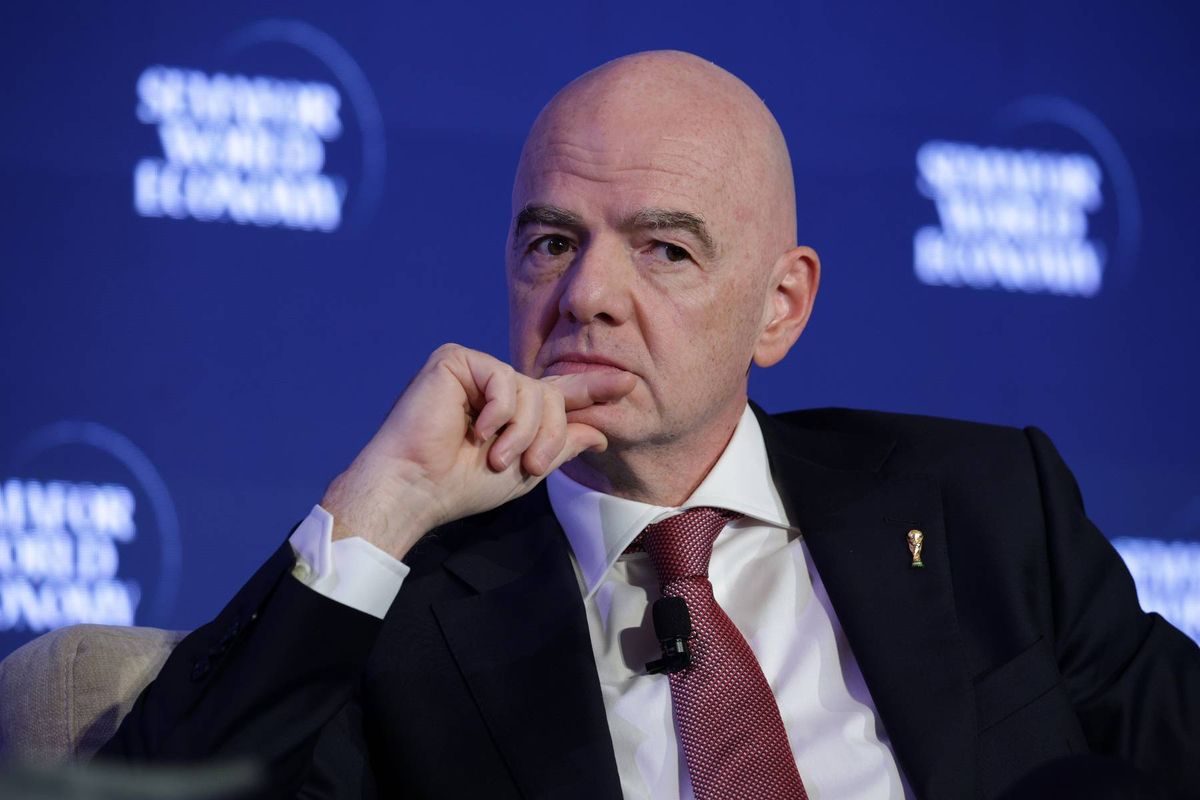
FIFA president Gianni Infantino had to regularly defend the ticket prices that were set for matches, which were exceedingly high. The Football Supporters Association in England called the prices “scandalous”.
Get our comprehensive football coverage, with news, updates, opinions, analysis and everything that matters to you, straight to your inbox.
To get it, it's a quick and easy one-two:
1. Head THIS WAY
Make sure you don't miss sport's biggest stories and breaking news by making the Daily Mirror one of your Google preferred sources.
However Infantino maintained that FIFA, who are a non-profit organisation, would be ploughing the money back into the development of football around the globe. He also underlined that FIFA have one month every four years during which they raise money. Ticket and hospitality revenue at the World Cup in Qatar was $929m (£697m).
He said: “The World Cup takes place one month every four years, so we generate money in one month. The 47 months until the next World Cup, we spend that money. What many people don’t know, because of course we generate billions in a World Cup, people don’t know FIFA is a non-for profit organisation.
"Which means all the revenue we generate, we invest them in the organisation of the game, in 211 countries all over the world. Three quarters of which probably would not be able to have organised football without the grants we could give them, so we always try to find the right balance.”
The revenue generated by FIFA owed to its new dynamic pricing policy, which meant figures were dictated by demand rather than a universal number being set. FIFA also took a 30 percent cut they took from any resale, where tickets were often being found a sky high prices that were multiple times the face value.
Infantino himself remains under pressure to keep his role at the top of the organisation with several continental federations, including UEFA, wanting him to be removed from his post.
The FIFA boss outlined a plan to sell off stakes in the governing body's competitions to private investors, with the promise of a cash injection for those who backed it. However they u-turned within days.