
'/%3e%3cdefs%3e%3clinearGradient%20id='prefix__paint0_linear_4737_37157'%20x1='3.018'%20y1='23.6'%20x2='44.925'%20y2='24.977'%20gradientUnits='userSpaceOnUse'%3e%3cstop%20stop-color='%231CB7FF'/%3e%3cstop%20offset='.502'%20stop-color='%232FF58B'/%3e%3c/linearGradient%3e%3c/defs%3e%3c/svg%3e)


Crystal Palace, QPR & Leyton Orient saw the ‘English Diego Maradona’ - he became a taxi driver
Sep 21 2026 08:49 · By onefootball.com · 6 Reads


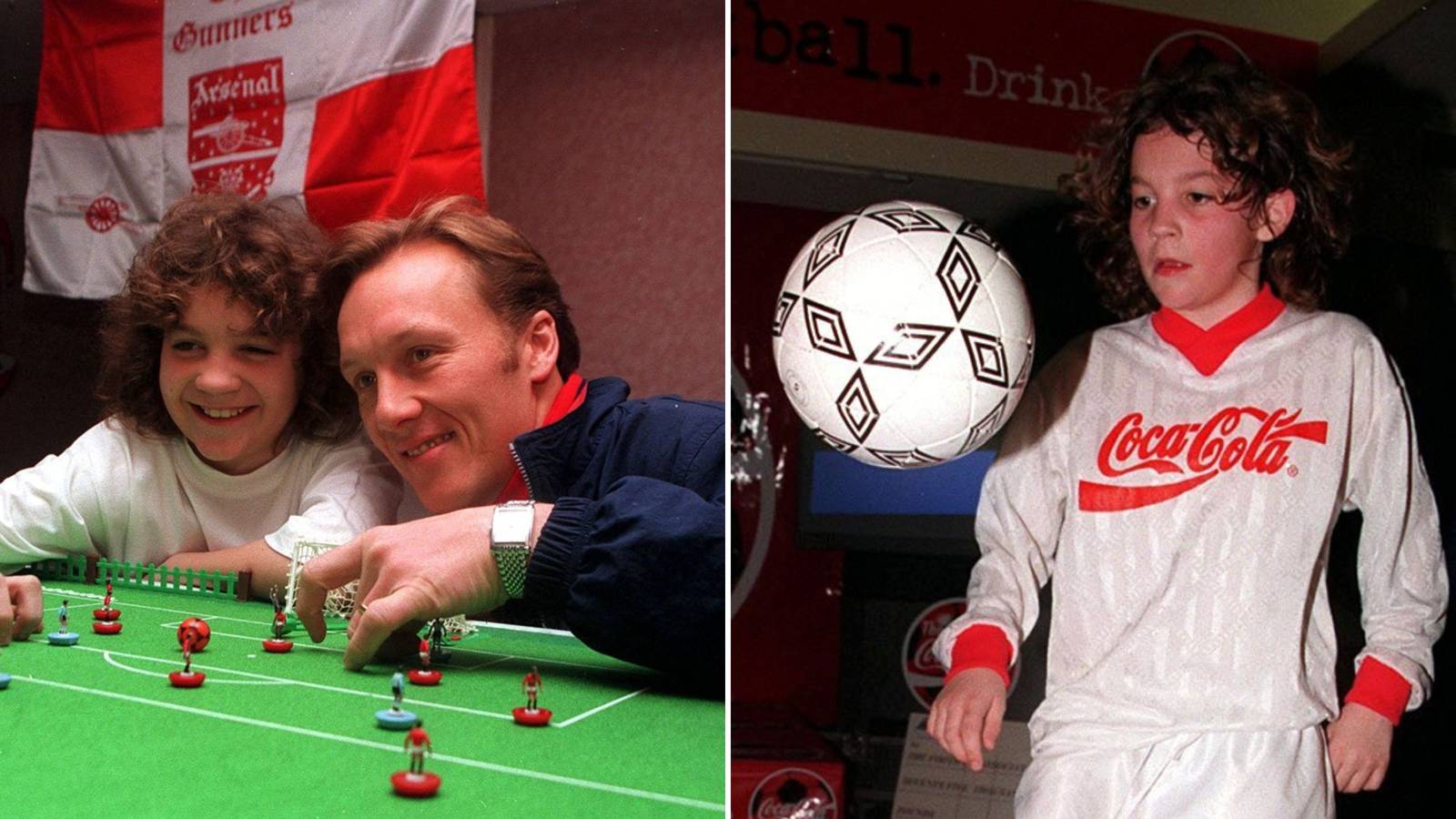
Every football club is chasing the next big thing, but in the case of Sonny Pike the pressure was so overwhelming that he gave up the game altogether.
At twelve years of age, Sonny Pike was having a trial with the then-champions of Europe, but by the age of eighteen he'd walked away from the game altogether.
The recent speculation surrounding 15-year-old JJ Gabriel has reignited an age-old debate about the involvement of children in professional football. The teenager has reportedly requested to leave Manchester United because he was not selected for the first team for their opening Champions League match against Sabah FK.
It's long been the case that young players have become involved at senior clubs from a very early age, but there has also been a tendency for both the media and fans to get over-excited over the possibility of having witnessed a potential superstar of the future in their first bloom. There have also been parents in the past who have been too keen to propel their children into a limelight for which they may be ill-prepared.
And nowhere was this truer than in the case of Sonny Pike, a pre-teenage boy who was briefly a darling of the press and the corporate world before dropping out of the game altogether after the pressure on him built to intolerable levels.
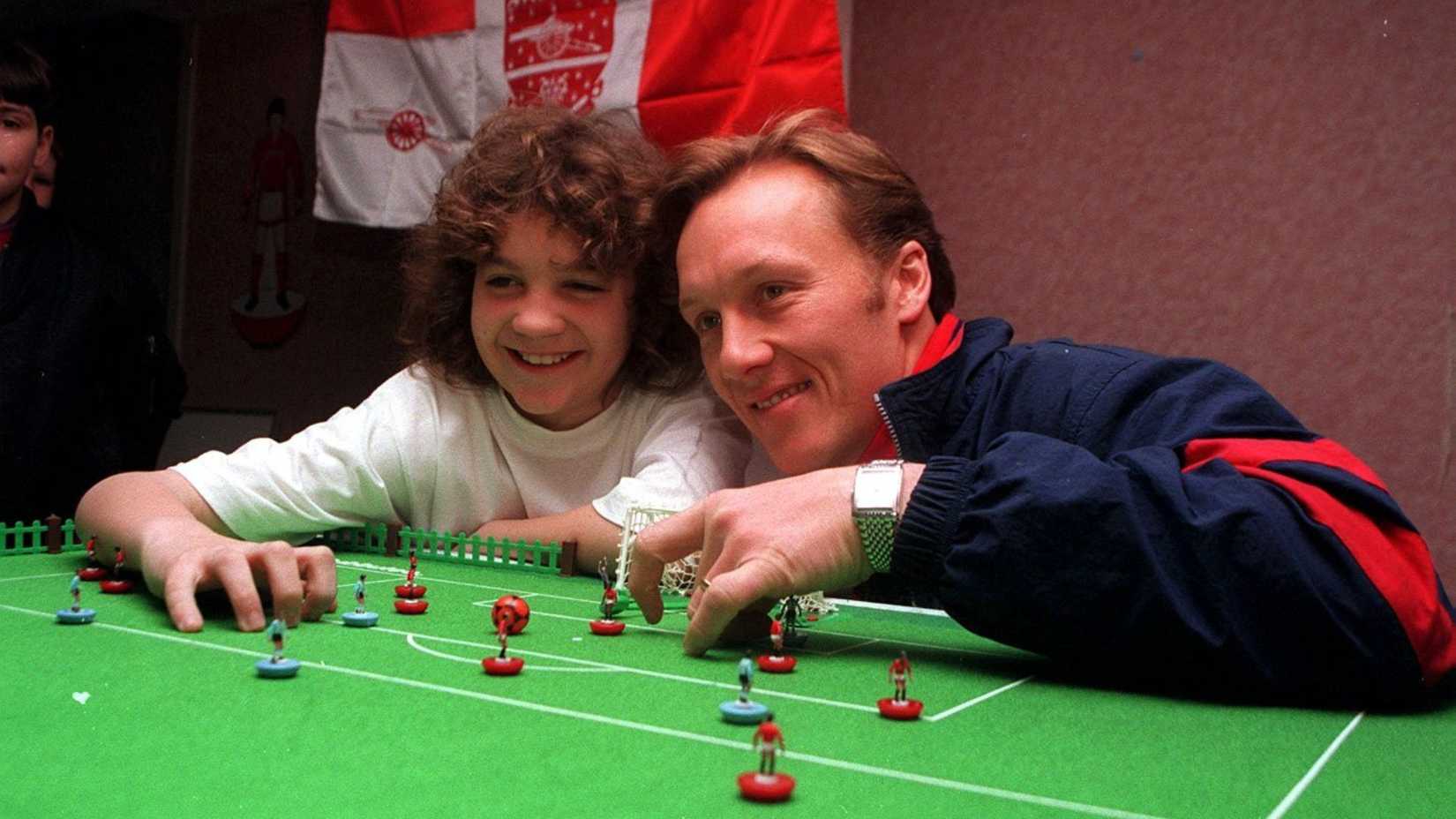
Sonny Pike became a star at just twelve years of age
Action Images
Born in North London, Sonny Pike's prodigious talent was first spotted when playing youth football as part of the Enfield Colts youth team from the age of six, he moved on to the non-league club Enfield at the age of ten.
But Pike first caught the imagination of the public when it was reported that he had been invited to have a trial with the Amsterdam giants Ajax, who at the time were the champions of Europe, having beaten Juventus 1-0 in that 1995 Champions League final. He even found himself being described at that time as "the English Maradona."
The Amsterdam trial came to nothing, but there was still enormous amounts of publicity to be had. He had sponsorship deals with McDonalds and Coca-Cola, and it was rumoured that a host of English clubs were interested in taking him on, including Manchester United, Tottenham, Ipswich and Norwich.
Reports that his legs were insured for £1 million only upped the ante still further, and by 1996 he'd had trials with several other London clubs, including Charlton Athletic and Crystal Palace, before going to Leyton Orient. Pike later recalled that when the news of the insurance filtered through, it made things deeply unpleasant for him on the pitch: "Because I had long hair, they used to say, ‘he’s only a girl, break his legs.’ Not just that, off the pitch and at school, I got different treatment that didn’t help me either."
And there was attention everywhere he went. When he went for his trial in Amsterdam, he was trailled by a camera crew from the BBC children's TV series Blue Peter. He performed keepy-uppies at Wembley before the League Cup final - which, not uncoincidentally, was sponsored by Coca-Cola - and he did television commercials.
Sonny Pike's Leyton Orient move marked the beginning of the end of his hopes of a professional career
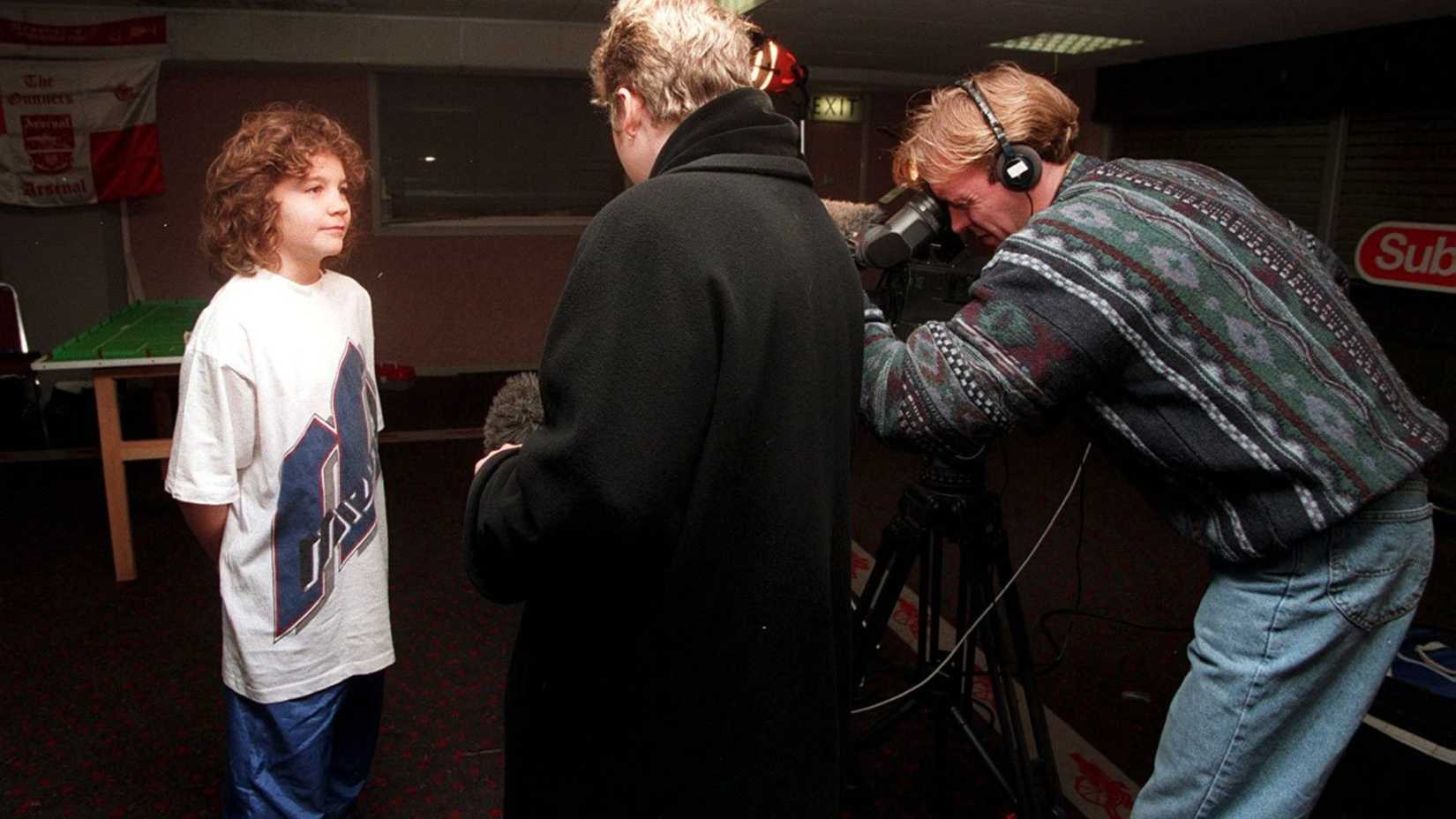
At the same time that Sonny Pike was training with Leyton Orient, his father was speaking to a journalist about an upcoming television documentary called Fair Game: Coaching and Poaching, which Sonny believed to be a documentary about him, but was instead an exposé on poaching in youth football.
First broadcast in May 1996 on ITV, Sonny was pictured training with Chelsea kit in a show which featured which allegations of illegal payments. Sonny later told The Mirror that, "There was an opportunity to make a documentary about me, presented by someone called Greg Dyke, and would result in me being represented by Eric ‘Monster’ Hall, the most charismatic football agent of the 1990s."
The FA investigated, and Sonny was banned from the game for a year. His commercial contracts collapsed, and he missed out on a crucial year of training with any club, while his relationship with his father Mickey was ruined. His father had been the primary mover behind the relentless promotion of Sonny, and this had caused difficulties behind the scenes. His parents were separated at the time, and his mother had a very different opinion on whether this was good for her son or not. Mickey disappeared from the scene at this point.
Sonny Pike did attempt to return to the game after his ban, and had trials with Grimsby Town and Crystal Palace, amongst others. Speaking of one trial at Queens Park Rangers, he told Goal that: "I ended up going to QPR and then Crystal Palace. At QPR, I was thinking, 'This is my chance to get back on track.' But I was in the dressing room before games feeling so nervous and the tension had gone through the roof because the expectation was massive."
But he could never recreate the magic of his younger years. His interest in the game had waned. The spark had gone. Sonny Pike drifted away from the game completely, and ended up as a London taxi driver, living in Essex. He told his story in a book called The Greatest Footballer That Never Was, which was released in 2021. His story remains today the ultimate cautionary tale of pushing children too hard, too soon, and too young.