
'/%3e%3cdefs%3e%3clinearGradient%20id='prefix__paint0_linear_4737_37157'%20x1='3.018'%20y1='23.6'%20x2='44.925'%20y2='24.977'%20gradientUnits='userSpaceOnUse'%3e%3cstop%20stop-color='%231CB7FF'/%3e%3cstop%20offset='.502'%20stop-color='%232FF58B'/%3e%3c/linearGradient%3e%3c/defs%3e%3c/svg%3e)


Kylian Mbappé’s Deal with On Represents the Future of Athlete Endorsements
Oct 01 2026 20:49 · Par onefootball.com · 8 Lectures


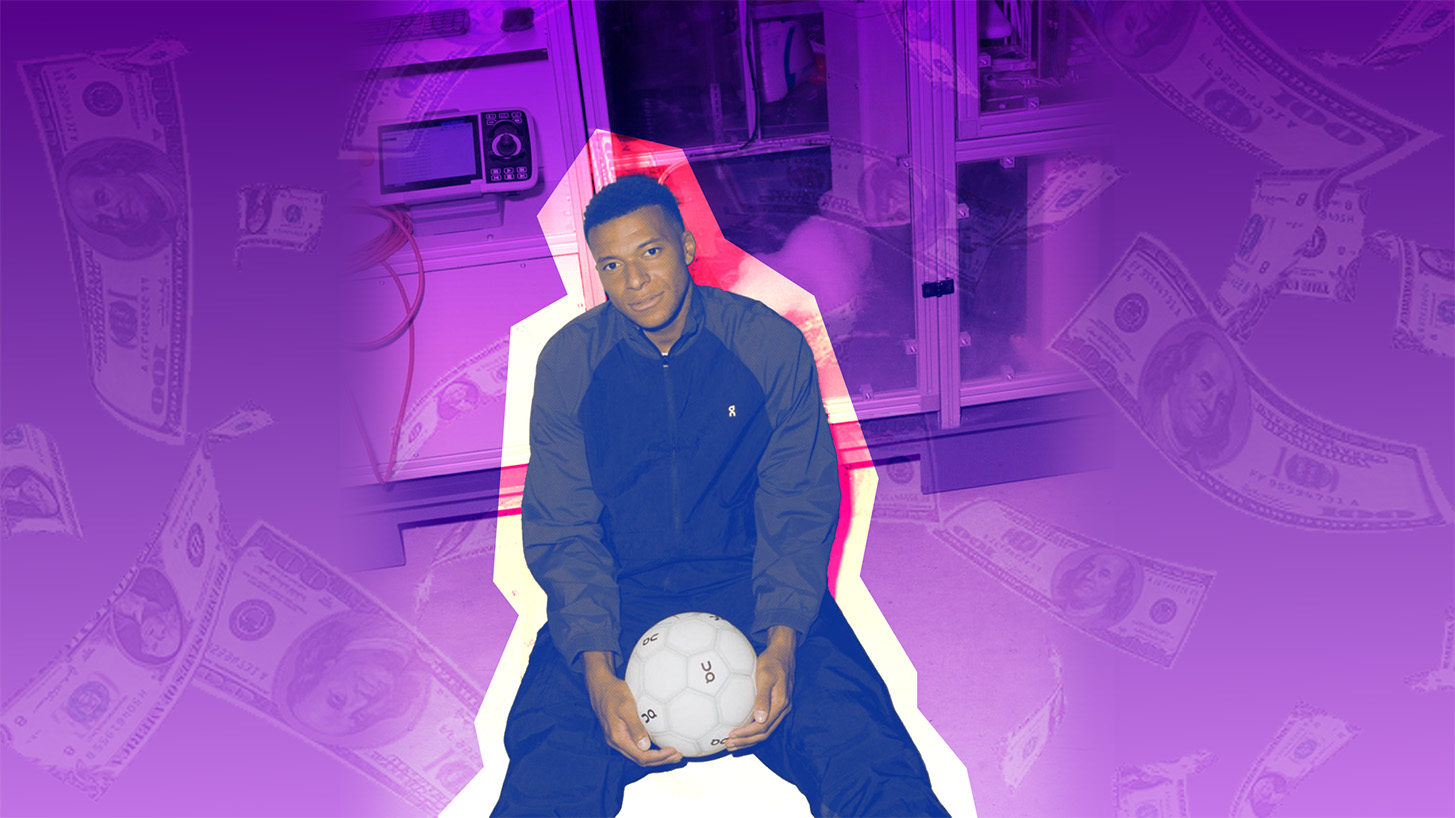
Kylian Mbappé’s move from Nike to On shocked the world. But the Real Madrid superstar is one of an increasing amount of athletes to use their image as an investment tool rather than a “pay me now” measure.
Since he burst onto the scene as a teenager, Kylian Mbappé has been one of the biggest names in sports, bar none. His star power is vast enough that a change in sponsorship garners top headlines around the world.
Jumping ship from Nike, where he was the brand’s flagship footballer alongside Cristiano Ronaldo, to On, a brand with no prior involvement in football, was indeed a shocking move, but athletes change brands quite often.
Even the German national team will be switching from adidas to Nike in the coming year. But the On and Mbappé deal is more significant and reflects a growing trend as athletes look to diversify and build business portfolios while they are still playing, rather than waiting until retirement.
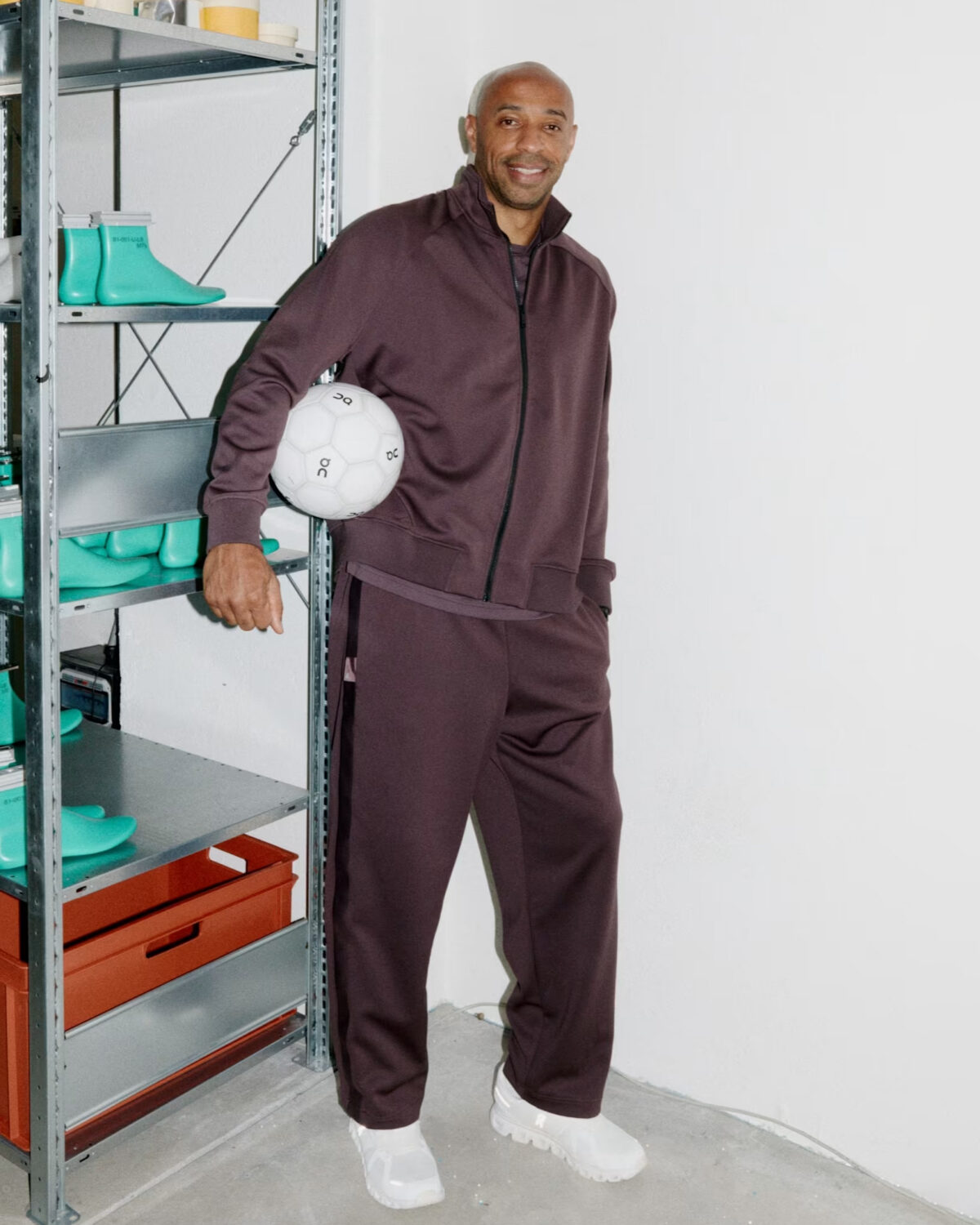
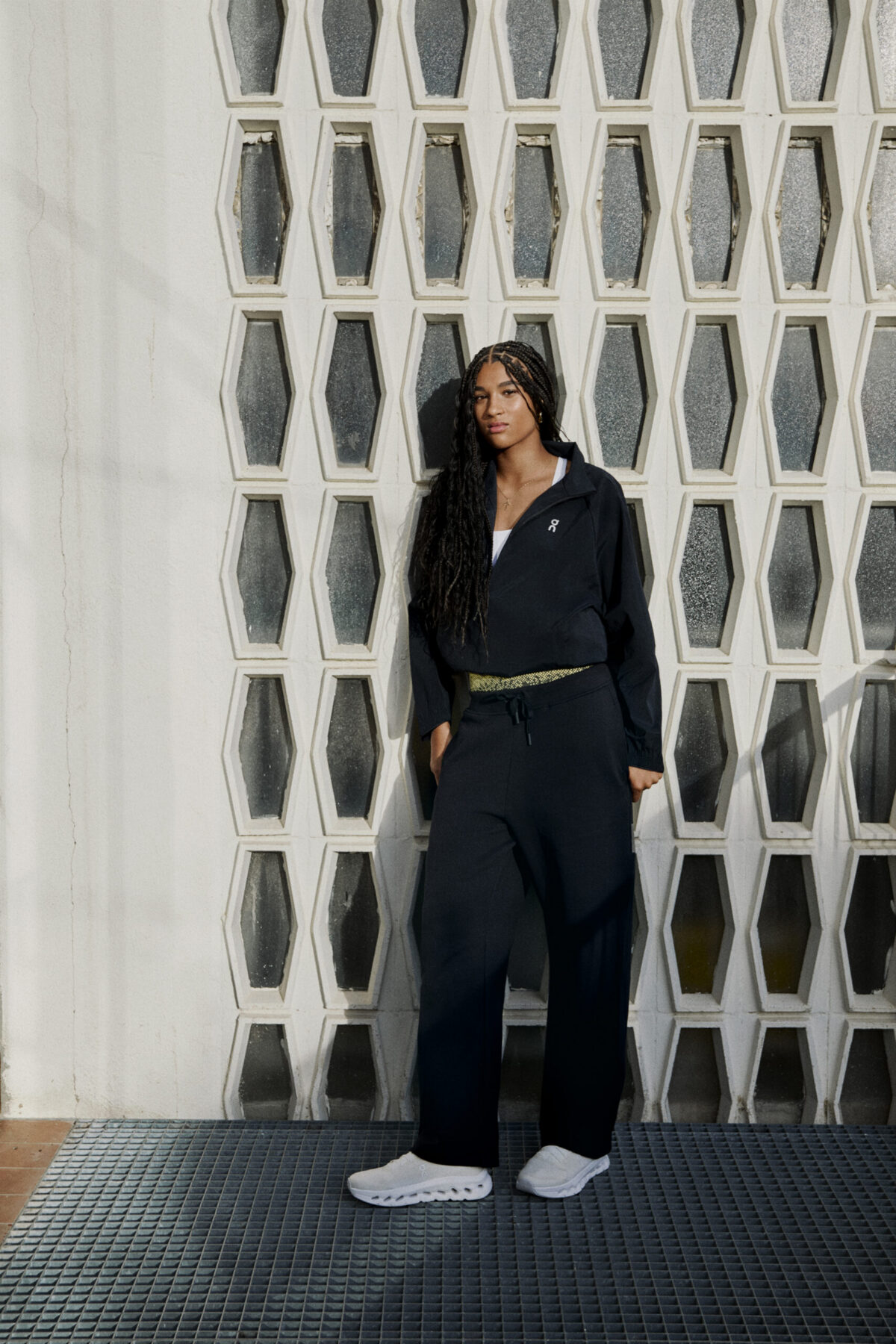
On also appointed French football legend Thierry Henry as its new director of football while expanding its partnership with Swiss midfielder Sydney Schertenleib, who plays for FC Barcelona Femeni.
While On did not provide details about its long-term commitment to Mbappé, the deal is reported to include both cash and equity components. Sounds familiar? It should. Equity and ownership stakes in lieu of traditional sponsorship models are becoming more common, and the world’s biggest athletes are leveraging their star power to command deals that have the potential to be more lucrative in the long term.
The era of throwing cash at influential figures in exchange for brand ambassadorship is going by the wayside.
Traditional Brands Need to Rethink
The broader takeaway is that active athletes are increasingly treating endorsement deals as long-term business partnerships rather than simple advertising arrangements. Instead of collecting a fee to wear a product or appear in a campaign, stars are seeking equity, creative control, executive roles, and ownership opportunities that can continue generating value long after their playing careers end.
For traditional brands like Nike and adidas, which still dominate the marketplace, there is real competition emerging as brands like On continue to add top sporting talent to their rosters.
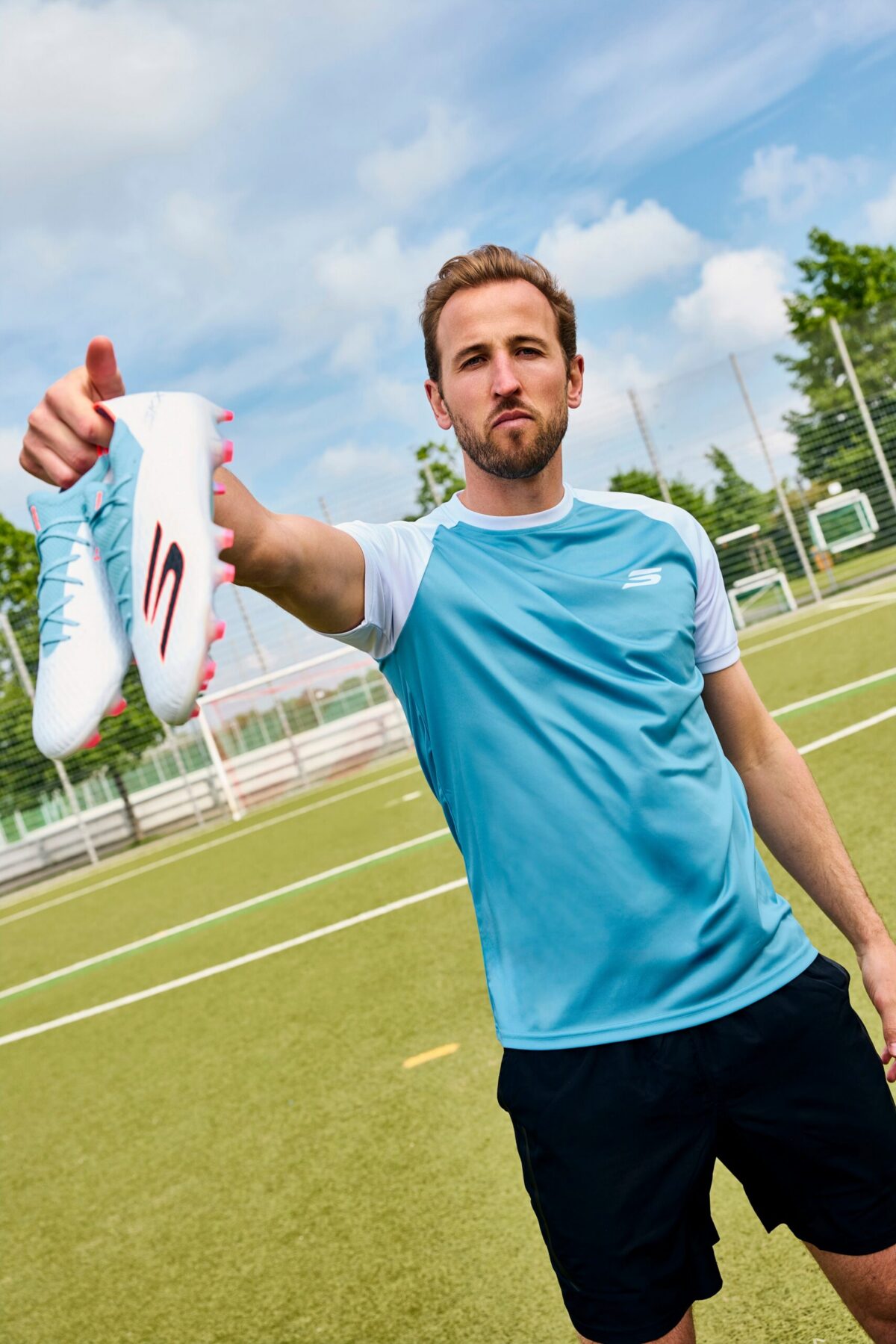
Even brands like Skechers have thought outside the box with their deal with England star Harry Kane, who has a lifetime deal with the brand as its ultimate soccer ambassador, covering his peak playing years and extending into retirement. The historic, long-term commitment is estimated to add between $5 and $10 million each year to Kane’s endorsement portfolio.
These unique deals come at a time when Nike has hit a 12-year low, mainly due to its more direct-to-consumer approach, which alienated wholesale partners. The sportswear giant inadvertently starved retail shelves, creating a massive vacuum that more nimble rivals, particularly in the running niche, were eager to fill.
This distribution misstep was compounded by a severe stagnation in product design. Rather than pushing the envelope on athletic performance and engineering, Nike became overly reliant on churning out endless iterations of legacy lifestyle sneakers, ultimately exhausting consumer interest and eroding brand exclusivity. Seizing this moment of vulnerability, specialized brands like Hoka, Salomon, and On captured the premium athletic market.
adidas, on the other hand, has been able to cement its brand through lifestyle products, with its Spezial line in addition to the Samba, Gazelle, and Superstar helping lift the company alongside its impressive list of football kits.
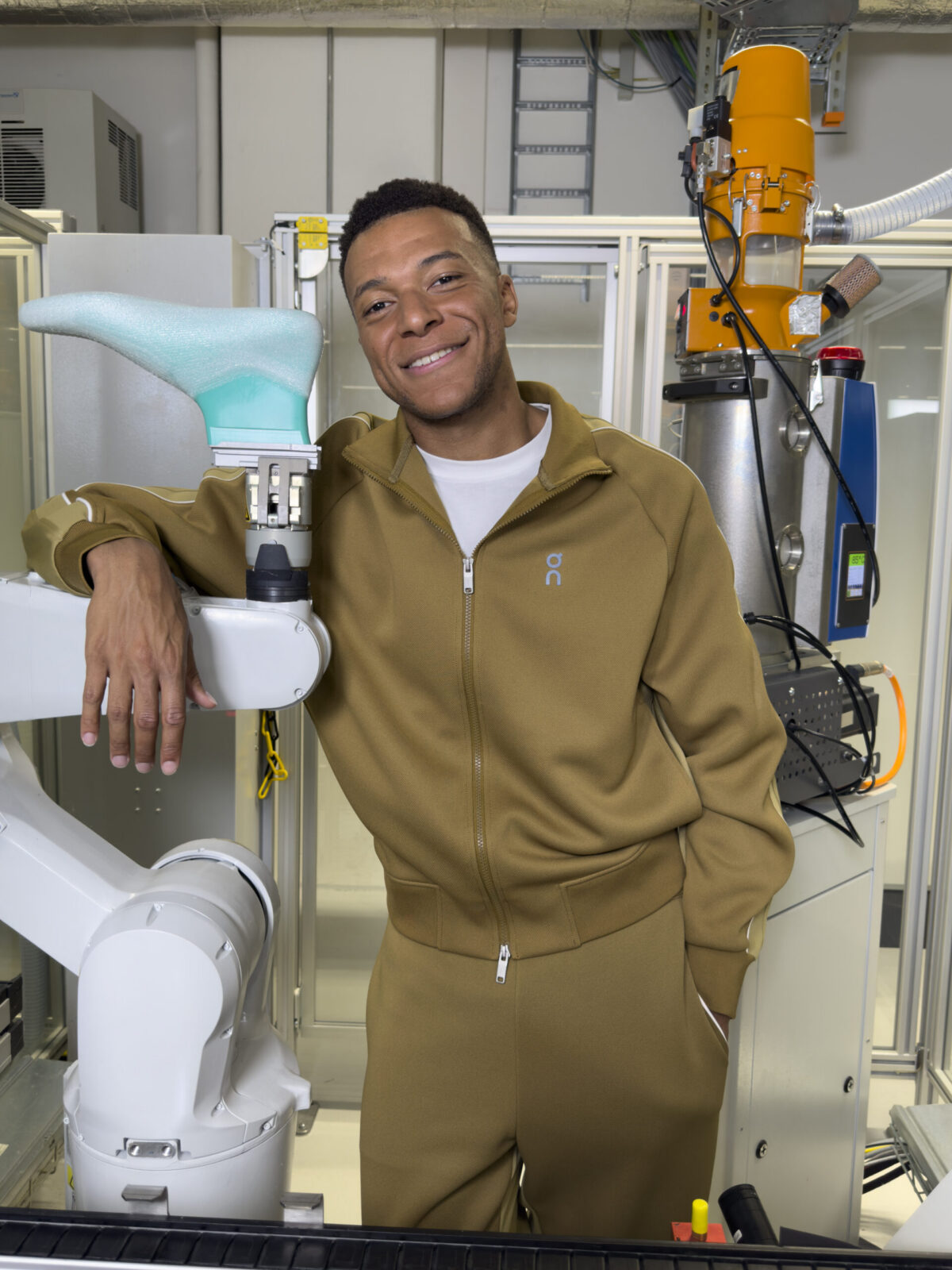
The sportswear battle is no longer simply about which brand can sign the biggest athlete or produce the most popular sneaker. It is increasingly about what each side is willing to build together.
For athletes, the appeal is obvious: a sponsorship can pay them today, but equity, ownership, and a role in product development can potentially create value long after the final whistle. For brands, giving athletes a bigger stake could create deeper relationships with the people who have the strongest connection with consumers.
Mbappé’s move to On will undoubtedly be part of a broader shift in how the next generation of endorsement deals are structured. The biggest stars do not want to be just the face of a brand anymore. They want to help shape it, invest in it, and share in its growth.