
'/%3e%3cdefs%3e%3clinearGradient%20id='prefix__paint0_linear_4737_37157'%20x1='3.018'%20y1='23.6'%20x2='44.925'%20y2='24.977'%20gradientUnits='userSpaceOnUse'%3e%3cstop%20stop-color='%231CB7FF'/%3e%3cstop%20offset='.502'%20stop-color='%232FF58B'/%3e%3c/linearGradient%3e%3c/defs%3e%3c/svg%3e)


TRANSFER WILD WEST! Lazy recruitment and transfer addiction: Inside the Premier League's record-breaking £3.4bn window
Sep 02 2026 20:48 · By Harry Brent,Senior Sports Writer · 6 Reads


After a record-breaking summer transfer window, the dust has finally settled on a Premier League market that has reached extraordinary financial heights.
More than £3.4billion was spent, comfortably surpassing last season's record of £3.1bn, while four of the division's five most expensive transfers - including Enzo Fernandez's British transfer record-equalling £125m move from Chelsea to Manchester City - took place this summer.
Eight deals worth £80m or more were completed, while 14 of the 20 Premier League clubs spent more than £100m. Six clubs surpassed £200m and three spent more than £300m. In total, £506m was spent on deadline day alone, up from £391m last year.
So how did the transfer market reach such unprecedented levels?
Veteran agent Sky Andrew, the negotiator behind Sol Campbell's infamous 2001 cross-London switch from Tottenham to Arsenal, offered an insight into the forces driving the modern transfer market, as well as the changing dynamics behind the deals themselves.
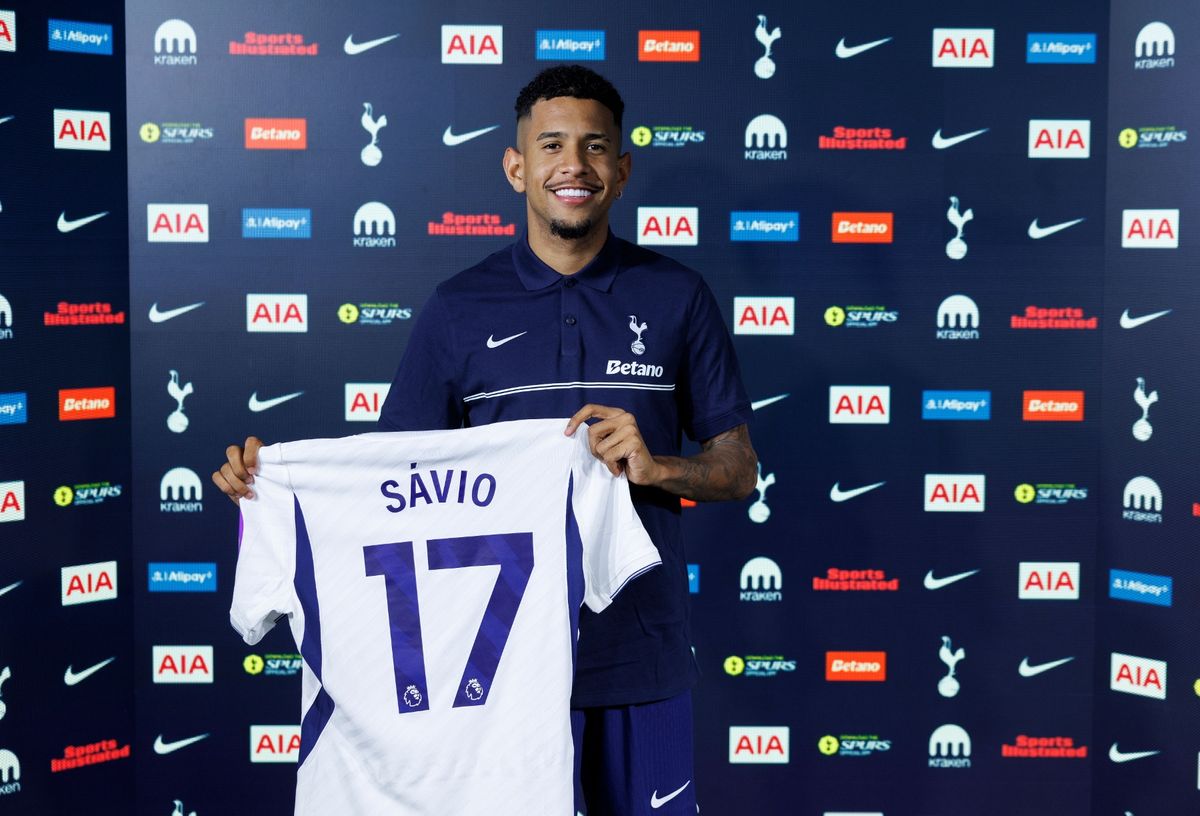
Tottenham's unprecedented £300m-plus outlay - including the £100m purchase of Sandro Tonali and the £85m capture of Matheus Fernandes - following back-to-back 17th-place finishes, was one of the defining stories of the summer.
Andrew believes the scale of the spending illustrates how clubs can use financial facilities to fund major investment.
"It is definitely 'all brakes are off' - but it's all brakes off with the banks as well. You can't spend that much money without having facilities with the banks," Andrew said speaking on the Mirror Football podcast.
"Spurs are a fantastic business, so the board looks at what the club and stadium are worth, goes to the banks for a facility of half a billion, and spends it. But you can't have £300m-£400m worth of players and none of them have residual value - they either need that or Champions League football to balance the books."
Andrew also believes Tottenham's aggressive approach changed the behaviour of their rivals, with other clubs responding to Spurs' early activity.
"Spurs were a surprise package... It was like a 100-metre race and Spurs got off to a blinder. What the fans are used to is a lot of chat and no spend, but they definitely affected the market... When they said 'we're spending,' wow. All the other clubs were like, 'Well, we need to get down to business.'"
Andrew believes some of the biggest clubs are increasingly willing to let smaller sides do the hard work of identifying emerging talent before swooping in once a player has established himself.
"A lot of big clubs are just saying, 'we're not going to recruit at the stage that Brighton and Bournemouth are going to recruit.' They wait for Brighton and Bournemouth to get the players, bring them in, and then pay attention [paying premium fees later]."
He added: "Football is now with the big clubs... the bigger your turnover, you can spend 85 per cent on salaries and transfers. Obviously, if you're a big club, then you're spending more than most of the other clubs."
Behind the eye-watering transfer fees, Andrew believes there is another powerful force driving the market: the psychology of the players themselves.
"I can't explain to you how much of a honeymoon period that excitement of a move is for a player. It can become addictive. This is why a lot of players move a lot - because it's addictive. Players just want to feel wanted."
He also believes supporters can play a significant role in shaping a club's transfer strategy, particularly when they are demanding reinforcements.
"I think for the fans, to see the club having a go, I think that's very important to the fans. So they're having a go. In the past years when they've been flitting with relegation, the fans are moaning, but this year you've got to say, 'Okay, we're giving it a go.'"
The traditional process of club-to-club negotiation has also changed significantly, with Andrew arguing that the rules governing how transfers are conducted have failed to keep pace with the modern market.
"The biggest change that I've seen is a blatant disregard of the rules in terms of it having to be club to club," Andrew said. "Now you're seeing it reported: players' wages have been agreed with the buying club, everything's been agreed, now the clubs have got to agree. That's not how it's supposed to happen... the authorities have just agreed that 'we can't stop this.'"
He also believes the growing number of intermediaries involved in transfers has made the process increasingly complicated.
"In the early days when I started as an agent, if you represented a player, no one else got involved. But now in football, there are so many agents, brokers... very rarely do you see a deal that has just one agent," Andrew said. "You've got three or four agents getting involved, representing clubs, managers, players. A lot of clubs don't get clear information, and that causes a problem."
He added: "Football's big business and it's a small world, and the gossip that goes on behind the scenes is unbelievable. Agents talking to agents, clubs speaking to clubs... the club selling the player almost has got no say in it.
"Unless there's a complaint made, then the deal just goes through. You'll find that very few complaints are being made because if the club selling the player gets the money they want, they too just let it fly."
Sky's Essential TV and Sky Sports bundle includes at least 215 live Premier League clashes across the 2026/27 season, with more than 1,500 games from the EFL and beyond, plus F1, golf and darts.